Project details
Architects: H+E Architecture and Tadao Ando Architect & Associates
Location: Casablanca
Completion date: 2024
Client: Agence Urbaine de Casablanca
Program: Museum / Cultural Institution
Area: 2 200 m²
Photographs: Chaïmae Himdi
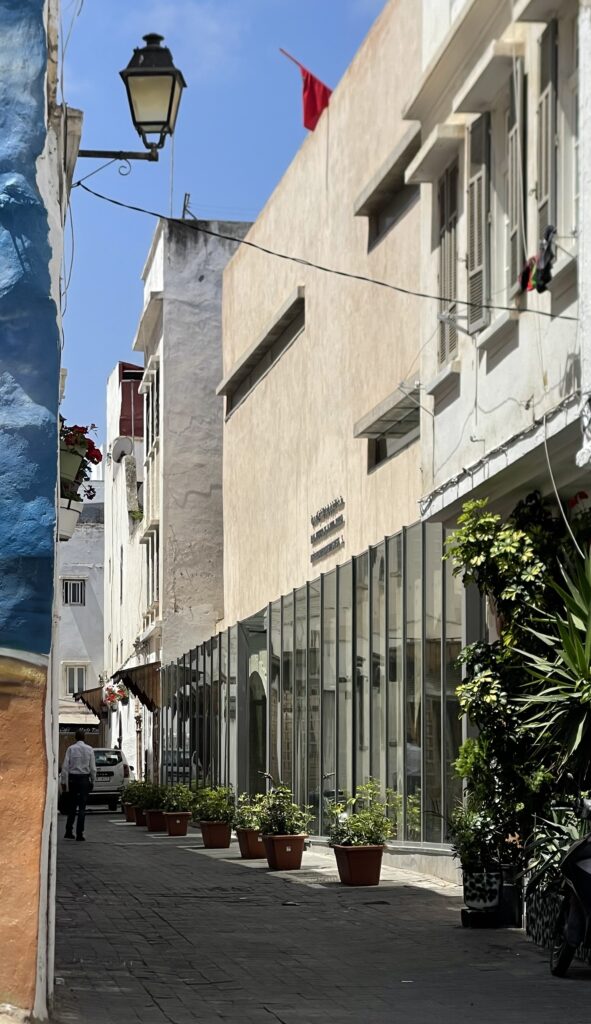
Museums often possess an intimidating quality. The simple act of occupying space can feel strangely self-conscious. Rather than welcoming visitors, some museums remind them that they are guests.
My experience at Musée la Photographie et des Arts Visuels (Museum of Photography and Visual Arts) was remarkably different. From the moment I entered, the building projected an unexpected sense of warmth. The museum felt less like an institution inserted into the Old Medina and more like a natural extension of its surroundings.
1. Building within the Medina
Contemporary cultural buildings often seek visibility. They distinguish themselves through iconic forms, striking materials, or dramatic gestures that separate them from their context. The photography museum adopts a different approach. Its architecture does not compete with the Medina’s dense urban fabric; instead, it establishes a dialogue with it.
This sense of continuity is reinforced through the use of local limestone masonry. The stone carries a familiar texture and material presence that anchors the building within its environment.
2. The atmosphere of materials
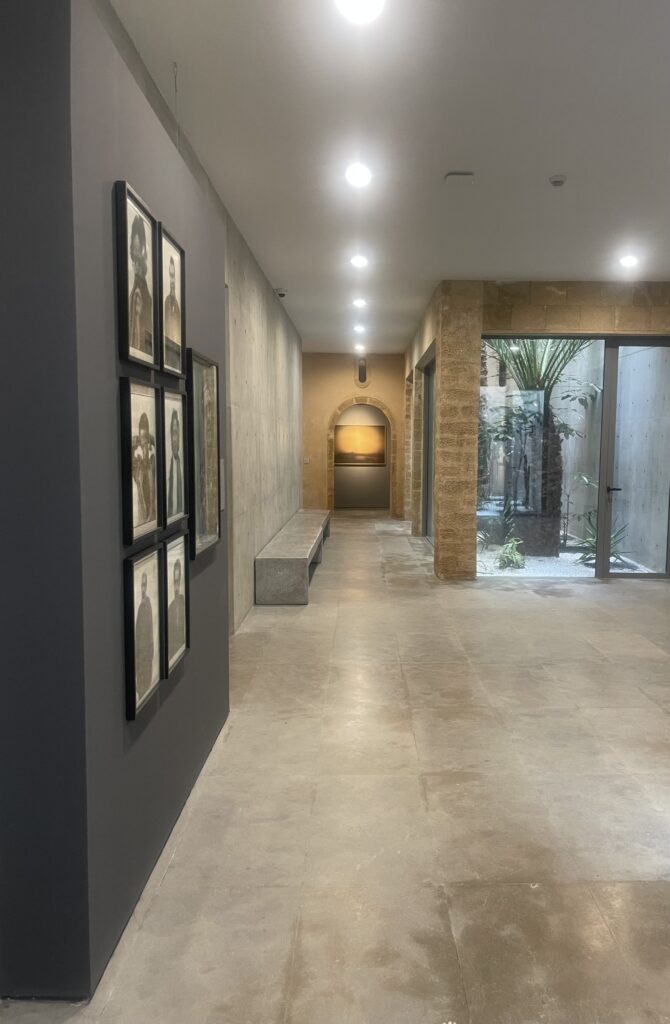
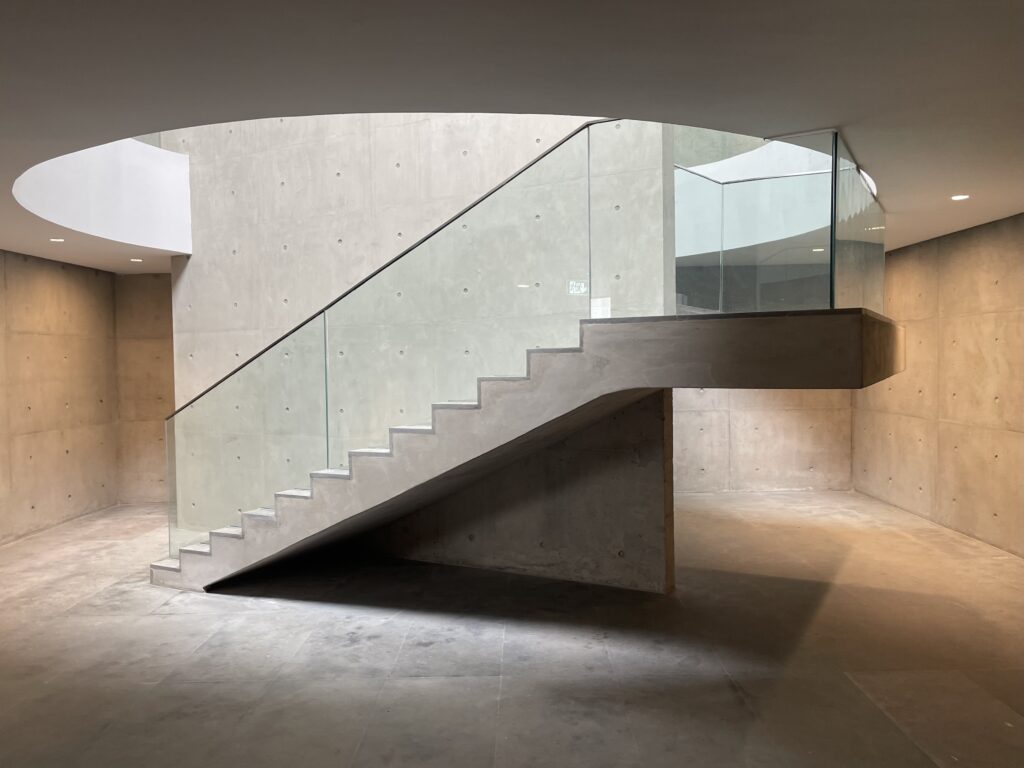
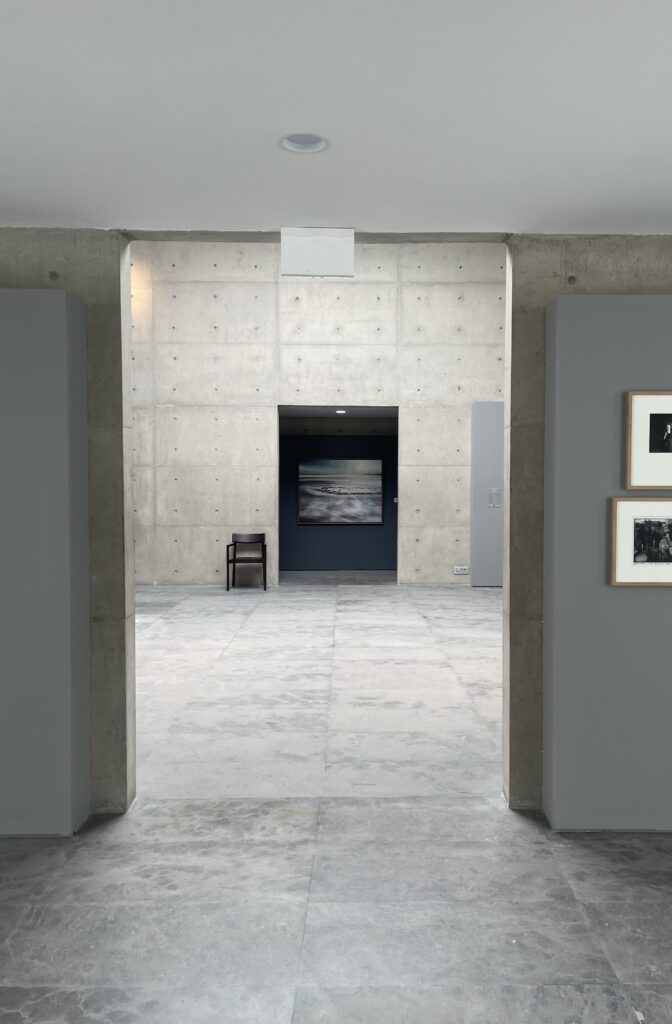
The museum’s exposed cast-in-place concrete immediately evokes the architectural language of Tadao Ando. The contrast between the precision of the concrete and the texture of the stone prevents the building from feeling austere. Instead, daylight reveals the qualities of both materials, producing an atmosphere that is at once contemporary and deeply rooted in the Medina.
In a museum dedicated to photography, light inevitably becomes more than an environmental condition. It becomes part of the architecture itself. Before visitors encounter a single photograph, they experience a building that frames, filters, and modulates light in the same way a camera does.
3. Architecture as invitation
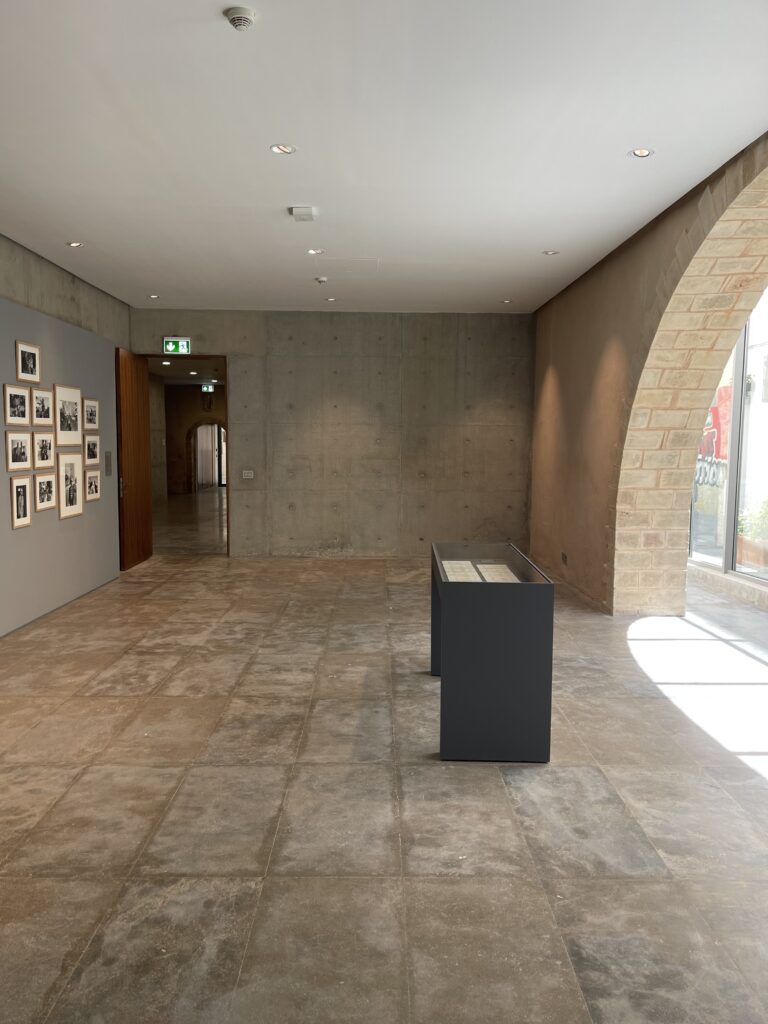
The most remarkable achievement of the museum may be the aura it creates.
Rather than presenting culture as something separate from everyday life, the building integrates itself into the rhythms of the Medina. Visitors are not made to feel like outsiders entering an exclusive institution. The architecture communicates openness through its scale, materiality, and relationship to its surroundings.
This quality is particularly significant in a city where access to cultural spaces can sometimes feel limited by social or psychological barriers. Architecture alone cannot determine who enters a building, but it can influence whether people feel invited to do so.
The Museum of Photography and Visual Arts enriches a broader discussion on the place of contemporary architecture within historic urban environments. Embedded within the fabric of the Medina yet firmly contemporary in its expression, the project illustrates the potential of architecture to establish continuity across different periods, materials, and ways of inhabiting the city.
