The case of Palestine
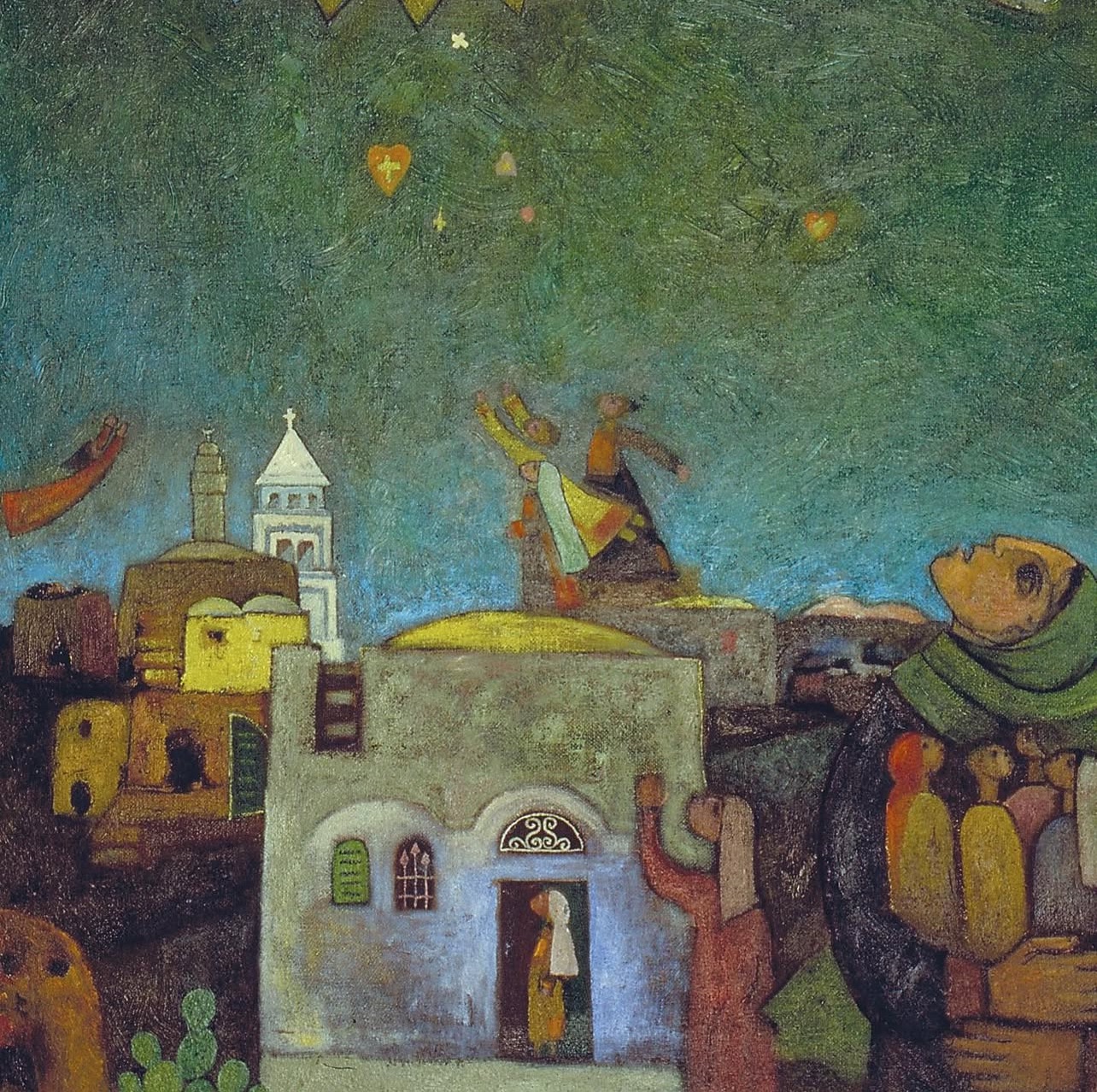
The ungoing situation in Palestine provides a poignant example of architecture’s complex relationship with human experience. It can contribute to emotional trauma, amplifying feelings of fear and vulnerability. Yet, it also possesses the potential to heal, offering solace, comfort, and safety. What specific ways did architecture exacerbate the trauma faced by Palestinians?
THE TRAUMA
1. Prisons and torture/death camps
- Disorientation and isolation: Lack or absence of natural light, solitary confinement cells, dark enclosed space 24/7.
- Dehumanization: Confined spaces and shared cells with no intimacy, lack of basic amenities, creating a feeling of shame and indignity.
- Intimidation: Cold, sterile materials, barbed wire fences, restricted sightline.

2. Bombing
- Rubble and ruin: The sight of the destroyed building, the debris, and the remnants of personal belongings create a feeling of loss.
- Unsafe environments: Damaged structures can create a sense of instability and danger. The fear of further collapse or the presence of unexploded ordnance can heighten anxiety.
- Loss of familiarity: The destruction of a familiar building can lead to feelings of disorientation and loss. The absence of familiar landmarks can make it difficult to navigate and re-establish a sense of normalcy.
- Symbolic significance: Buildings often hold symbolic meaning. In this case, in particular, representing belonging, representing home.

3. Displacement
- Inadequate or temporary shelters: Refugee camps often lack privacy, security, and basic amenities.
- Overcrowding, poor sanitation, and exposure to the elements contribute to feelings of dehumanization and vulnerability, re-traumatizing individuals who have already experienced significant loss.
- Environmental stressors: Displacement often forces people to live in unfamiliar and sometimes harsh environments (exposure to extreme weather conditions and lack of clean water).

THE HEALING
1. Privacy and the prospect-refuge theory
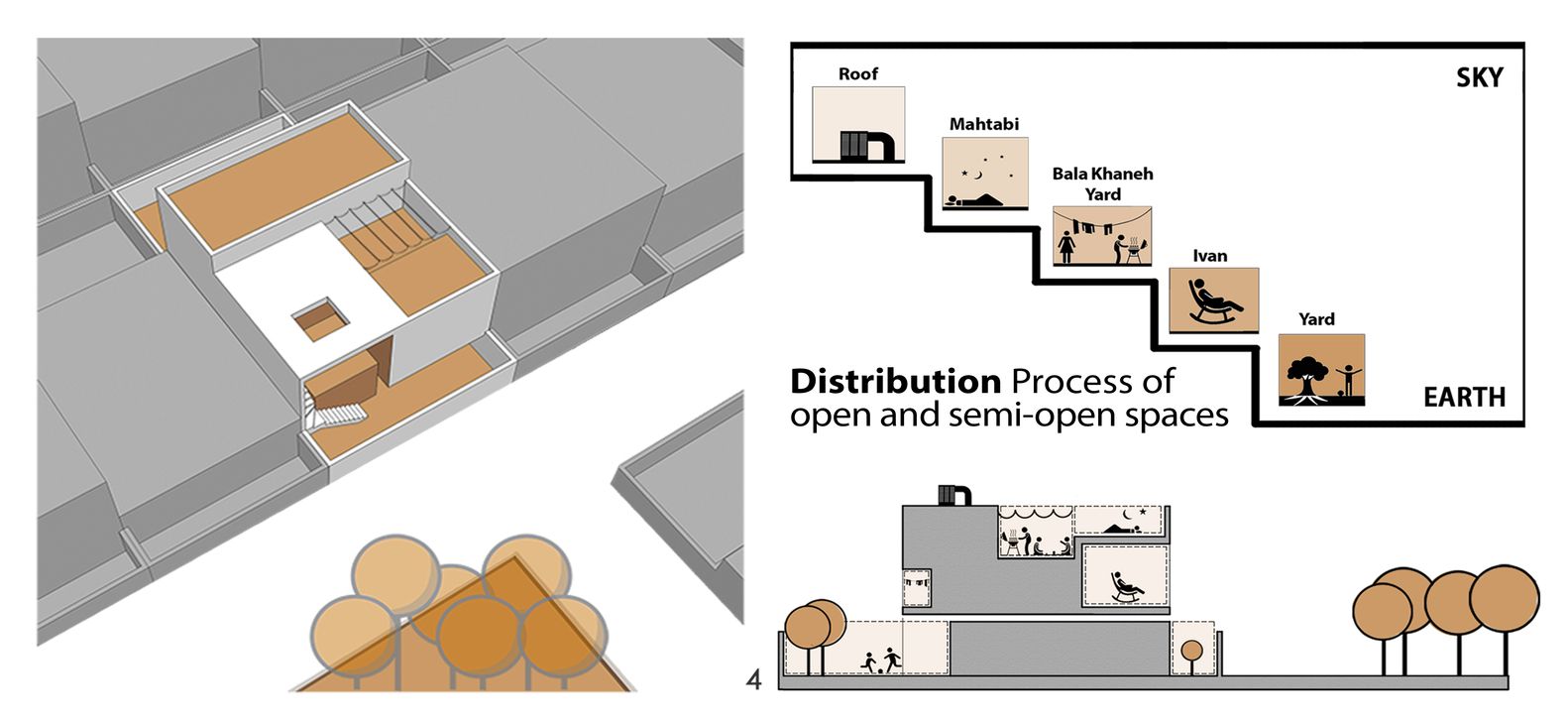
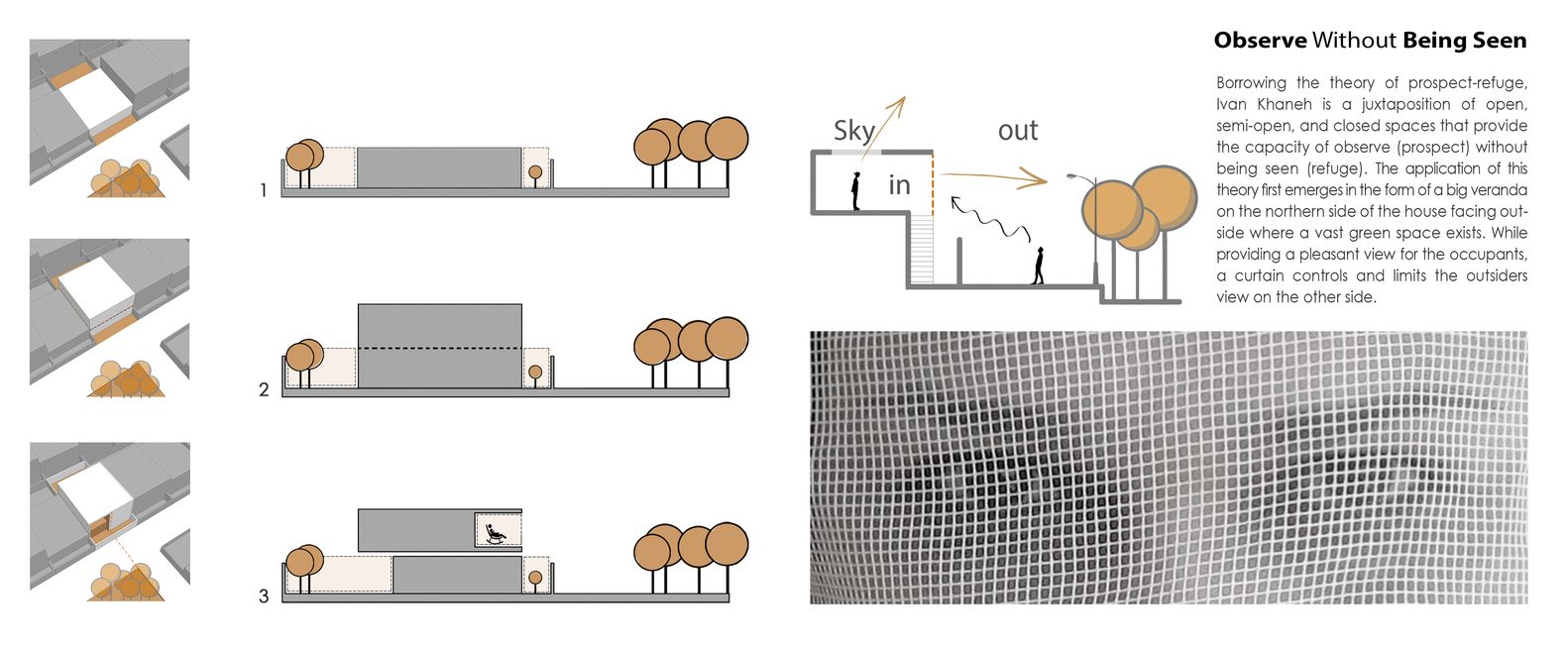
A core need for individuals recovering from trauma is a sense of safety and control. This is addressed by the architectural concept of prospect and refuge. “Prospect” refers to the ability to see and survey the surrounding environment, providing a sense of awareness and control. “Refuge” refers to spaces of retreat, offering privacy and a sense of enclosure where one can feel safe and protected. Designing spaces that offer both is crucial. This could involve:
- Varied spatial experiences: Creating a range of spaces, from open communal areas to smaller, more intimate nooks. This allows individuals to choose their level of engagement with the environment and others.
- Strategic placement of openings: Windows and doorways should be positioned to offer outward views (prospect) without compromising privacy within (refuge). Using elements like changes in elevation or landscaping to create this balance.
- Personalization: Allowing individuals to personalize their immediate spaces can enhance the sense of refuge. This could be through movable partitions, adjustable lighting, or the ability to display personal items.

2. Clear circulation and predictable navigation
For individuals experiencing hypervigilance and anxiety, navigating a complex or confusing environment can be incredibly stressful. Simple, clear circulation paths are essential for creating a sense of autonomy and control. This means:
- Intuitive layouts: Buildings should be designed with clear wayfinding, making it easy to understand the layout and move from one space to another.
- Accessibility: Ensuring that circulation paths are accessible to everyone, regardless of physical ability, is crucial for promoting inclusivity and reducing stress.


3. Visually simple and clear design
Sensory overload can be a significant trigger for individuals with PTSD. Therefore, a visually simple and uncluttered design is paramount. This involves:
- Reducing visual complexity: By avoiding excessive ornamentation, intricate patterns, and busy visual elements. Clean lines, simple forms, and a sense of order are necessary.
- Spatial openness and unobstructed sightlines: Open, uncluttered spaces and clear sightlines contribute to a sense of safety and reduce feelings of being trapped or overwhelmed. This allows individuals to easily survey their surroundings.
- Soothing color palettes: Color psychology plays a vital role. Colors, such as soft blues, greens, and neutral tones, can have a calming effect and promote relaxation. Bright, stimulating colors such as red can exacerbate anxiety.
- Natural materials: Using natural materials like wood and stone can create a warm and inviting atmosphere, contributing to a sense of connection with nature and promoting a sense of well-being. These materials often have inherent textures and patterns that are less stimulating than highly processed materials.
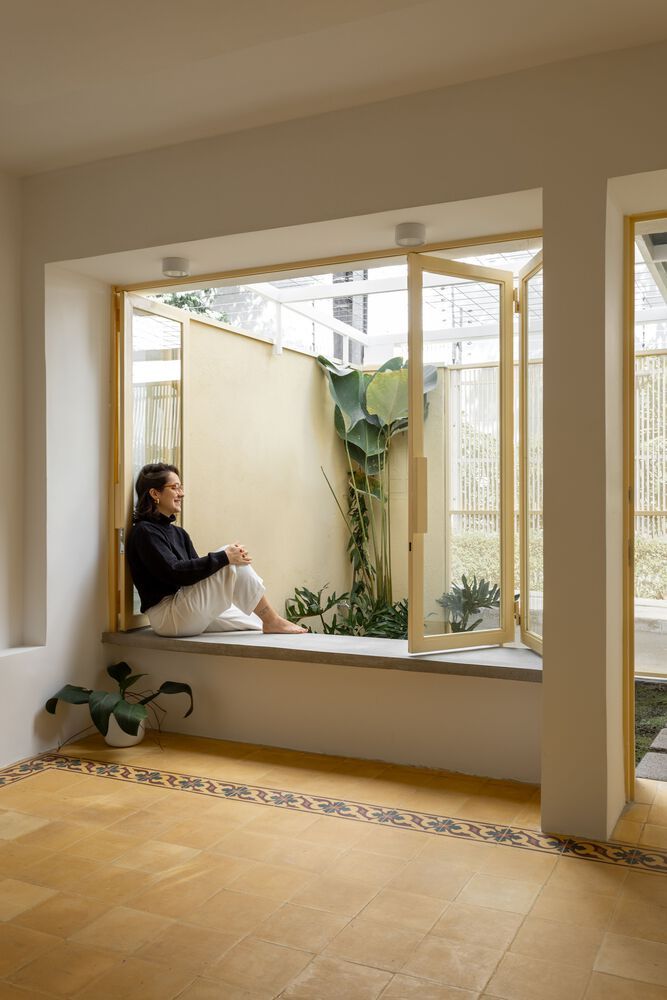
The architectural landscape of Palestine serves as a powerful testament to the intimate connection between built environments and human suffering. Examples of prisons, bombings, and displacement reveal how architectural forms can amplify feelings of disorientation, dehumanization, and vulnerability. However, it also presents a critical opportunity. The principles of prospect and refuge, intuitive layouts, and visually simple design offer tangible pathways for creating spaces that foster safety, control, and emotional healing. By understanding and implementing these principles, architects can play a vital role in mitigating the traumatic impact of genocide and contributing to the restoration of dignity and hope in Palestine.
